
Why Inefficiency is Killing Your Business
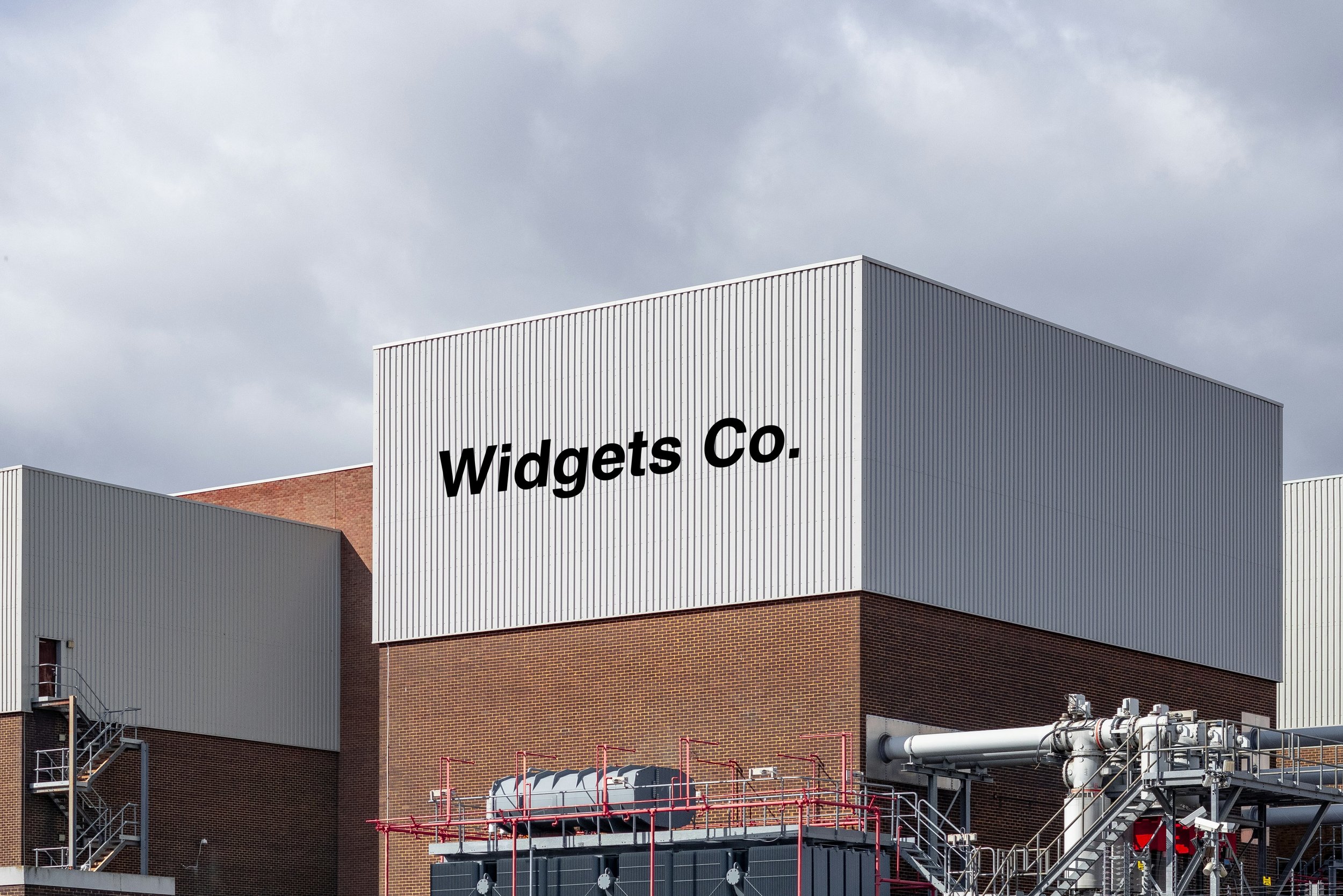
We’ve got signage in the budget for next year.. be nice.
It’s another regular Tuesday at Widgets Co, a small manufacturing business that produces custom widgets to customer specifications. One of the Admin team members, Jill, opens the inbox in the morning to see a new order waiting. It’s from one of their biggest customers, and they’re wanting 20 Deluxe Widgets, urgently, in 2 weeks. Jill reads through the email and realises that they’ve missed the colour. She replies to the customer asking for confirmation. Four hours later, the customer has replied; Firetruck Red. “Don’t forget to include our special project pricing”, they add to the bottom of their email. Jill doesn’t know anything about this, so she tries to call Widget Co’s main Sales Rep, but they don’t answer.
The next morning, the Sales Rep returns the call and confirms the project pricing for the customer with another member of the admin team, Katie. She spends the morning piecing together what had been done by her colleague yesterday. By lunch time, she has all the information and is ready to enter the order in the system. The only question now is, when can the Production team make it? Katie tracks down the Production Supervisor to ask. “We’re flat out”, he tells her “and we’d have to order that special paint colour; we don’t stock it”. After some back and forth, the Production Supervisor finally agrees to have it completed in 2 weeks. Katie now finally finishes entering the order in the system, prints paperwork and drops it into the overflowing tray on the Production Supervisor’s desk before she finishes for the day.
Three days later, the Production Supervisor tells his team to start producing 20 Deluxe Widgets. They will need to go through 4 different areas of the factory to be produced. Area 1 gets their part done on the same day, and move the Deluxe Widgets into a storage area, ready for Area 2. After another 2 days, Area 2 does their part, and moves them to another storage area. Another week goes by until the Area 3 operator finally asks, “What are these 19 Deluxe Widgets doing sitting here without paperwork?” The Production Supervisor digs back through their paperwork and realises what it is, but one has been lost. The supervisor tells Area 1 to make another one and instructs Area 3 to paint them. Area 3 soon discovers that no one has ordered the paint. The wait continues.

“2 weeks mate? Yeah, she’ll be right”.
Meanwhile, the promised date to the customer has come and gone. Both Jill and the Sales Rep receive hostile calls from the customer chasing their order. “One more week”, they say, and they both chase the Production Supervisor for a status update.
After another 3 days, there are finally 20 Deluxe Widgets, painted Firetruck Red, on a pallet, ready to be packed and shipped to the customer. The Warehouse team spend the next morning repackaging the widgets onto a more suitable pallet. They email the Admin team the dimensions and weight so that they can book the collection with the freight company. The next morning, Jill compares freight prices between 2 carriers and selects the most competitive option. She makes the booking and sends an email back to the Warehouse Supervisor with the date of collection and the label that needs to be printed. She then finds the original customer order in the system and updates it with the freight charge.
Three weeks after the initial email from the customer, the 20 Deluxe Widgets finally leave the warehouse and get delivered to the customer, 1 week late. The customer has now missed a crucial project deadline at their end, and the experience has been anything but seamless.
This example might seem extreme, almost comical, but scenarios like this are playing out in businesses across the country every single day. Businesses are struggling with their internal processes, resulting in incredible inefficiencies becoming ‘the way we do things’.
The Impact of Inefficiency

O efficiency, efficiency, wherefore art thou efficiency?
Business owners know that operating inefficiently isn’t ideal, and no one starts a business with the aim of finding the least efficient way to produce their goods or services. The processes in your business today are often the result of ad-hoc solutions as unique problems presented themselves over the years. What often isn’t considered though, is the true impact of ‘the way we do things’. How does inefficiency impact your business?
Limiting Your Profitability
Working inefficiently limits the profitability of your business. Every time an order is double handled, this is wasted time and energy that could be better spent; on the next order for example.
Inefficient processes result in a reduction in output of the goods or services you produce per day. Less output = less goods invoiced.
Without changing the way we work in the above example, more team members would need to be hired to produce more widgets.Poor Customer Experience
Without customers, you don’t have a business. Working inefficiently creates a poor customer experience and ultimately impacts on your ability to maintain healthy customer relationships. Missed delivery dates and broken promises are not going to win repeat business.
Every time that the customer calls to chase an order, this is a negative interaction and conveys a sense of unprofessionalism and incompetence. Not exactly the type of interactions that a business wants to foster.Disengaged Internal Teams
Working inefficiently creates ineffective internal teams. Most employees want to come to work and feel like they are doing a good job. If each day is a battle, drama filled and spent chasing their tails, this is enough to discourage and frustrate anyone. These frustrated and disengaged employees are the same ones who are the face of your business and interacting with your customers.A Less Competitive Business
Combining all of the above points ultimately leads to a less competitive business. There are businesses out there who offer the same products that you do, only faster, cheaper and better. These are the ones who usually succeed in the long run.
The Solution
The overall goal is of course to increase your efficiency, internal staff effectiveness, and profitability by streamlining your business processes.
There’s no magic bullet to achieving this though. Each business is different and there is nuance to the way your business runs. A good framework to start with however is:
Set the end goal (eg. Customer order turnaround time in 1 week)
Measure your current performance (eg. Customer order turnaround time is 2 weeks)
Map your current processes. Document every single step that currently happens along the journey. This is best completed as a group by those who do the process. Identify the bottlenecks, waiting points and double handling points.
Identify the Success Path. This is the path from start to finish with only the essential steps to turn the customer’s order into a finished product. Build your new process around this principle.
Test & measure your performance (eg. Reduction in order turnaround time, now 1 week)

Success Paths don’t look like this.
It’s often beneficial to have an external party guide this process. This removes bias, internal team dynamics and politics from the process. Whilst an internal project team can have an impact, internal staff are focussed on keeping up with their daily tasks (which we know are slow due to inefficiency). Adding the burden of fixing the issues often yields poor results.
Operly can help. We tailor operational solutions specifically to the needs of your business. We take the time to deeply understand your challenges, and your current way of working. We have worked with businesses across a range of industries, from automotive to hospitality, leisure to building materials. This means that we have a wide knowledge base of real-world solutions that we can draw on to assist your business. It’s often possible to adapt great process solutions from other industries to your application.
We can help you improve your efficiency, team effectiveness, and ultimately, your profitability. Get in touch today to discuss how we can assist you.